
Skin concerns
Under-Eye Concerns in Montréal: Dark Circles, Fine Lines and Puffiness
Understand the differences between pigment, hollowing, fine lines and puffiness, and what an under-eye consultation in Montréal can clarify.
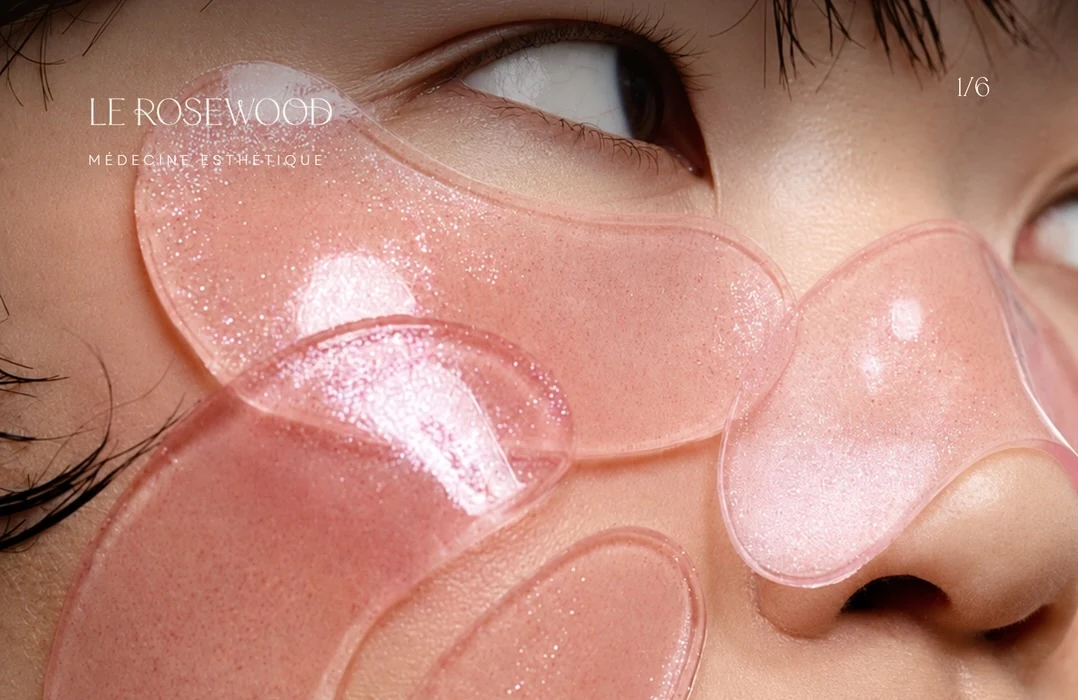
The under-eye area is one of the most delicate regions of the face. The skin here is thin, the supporting structures change gradually with age, and several different concerns can look similar at a glance. What reads as tiredness may come from pigmentation, from a loss of volume, from changes in skin quality, or from fluid. Because the causes differ, the right approach differs too. This guide walks through the three concerns we are asked about most often, and how each one is typically assessed.
Are your dark circles pigment, or a shadow?
Darkness under the eye has two common sources. The first is pigmentation in the skin itself, which tends to look brown and stays visible when the skin is gently stretched or the lighting changes. The second is a shadow: as the fat and bone that support the lower lid change over time, a hollow can form where the lid meets the cheek, and that hollow casts a shadow that reads as a dark circle.
Pigment is usually approached with targeted skincare and, where appropriate, treatments that address skin quality. A genuine hollow may, in suitable candidates, be softened with a carefully placed hyaluronic acid filler. Distinguishing between the two is the first step of any consultation, because treating a shadow as pigment, or pigment as a shadow, rarely works.
What helps crepey skin and fine lines under the eye?
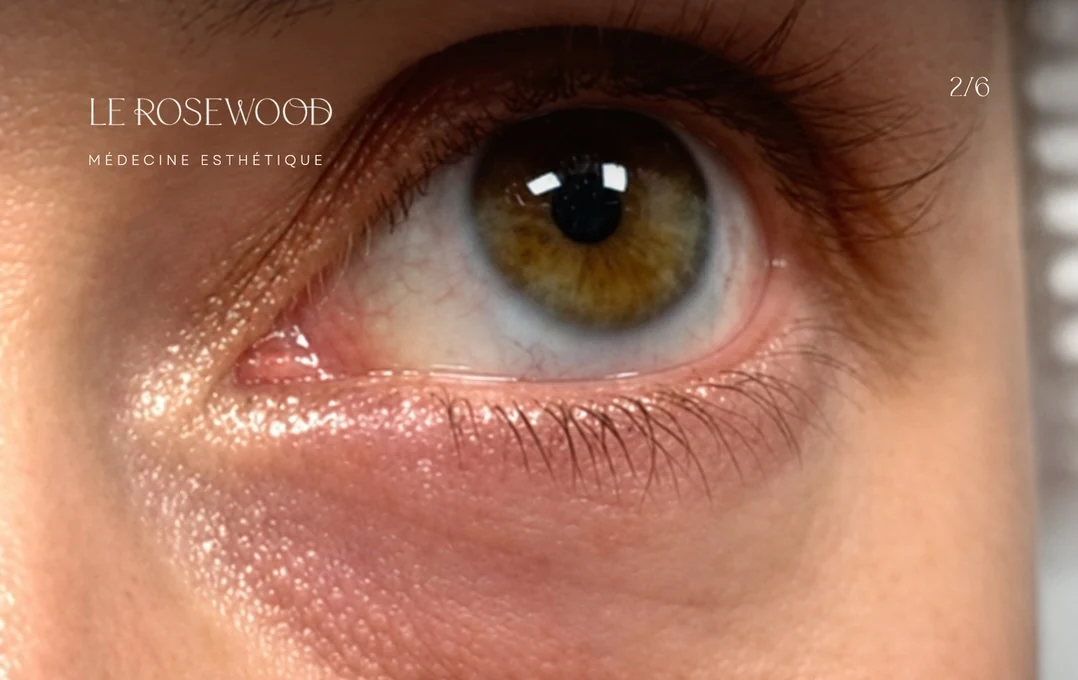
When under-eye skin looks thinner and more lined, the underlying issue is usually a gradual loss of hydration and collagen. Two families of treatment are commonly discussed here.
Platelet-rich plasma (PRP) and platelet-rich fibrin (PRF) are prepared from a small sample of your own blood and are used to support skin repair and quality. A 2025 systematic review of PRP and PRF for periorbital rejuvenation found that all included studies reported some degree of aesthetic improvement, with some studies showing measurable gains in under-eye skin density and wrinkle depth. The authors note that protocols varied widely between studies, so there is no single established regimen, and that reported side effects were generally mild and temporary, such as short-lived swelling or bruising (Sollitto et al., 2025).
Hyaluronic acid skin boosters are a second option that may be discussed for selected patients. These microinjections focus on hydration, elasticity, and texture rather than a volumizing effect; the formulation and placement depend on the product and the anatomy being treated. A systematic review of injectable hyaluronic acid for skin quality found improvements across measures such as hydration, elasticity, and roughness, with side effects that were generally mild and resolved within about two weeks (Ghatge & Ghatge, 2023). Under-eye treatment needs particular care, and suitability must be assessed in person.
Can filler treat under-eye bags?
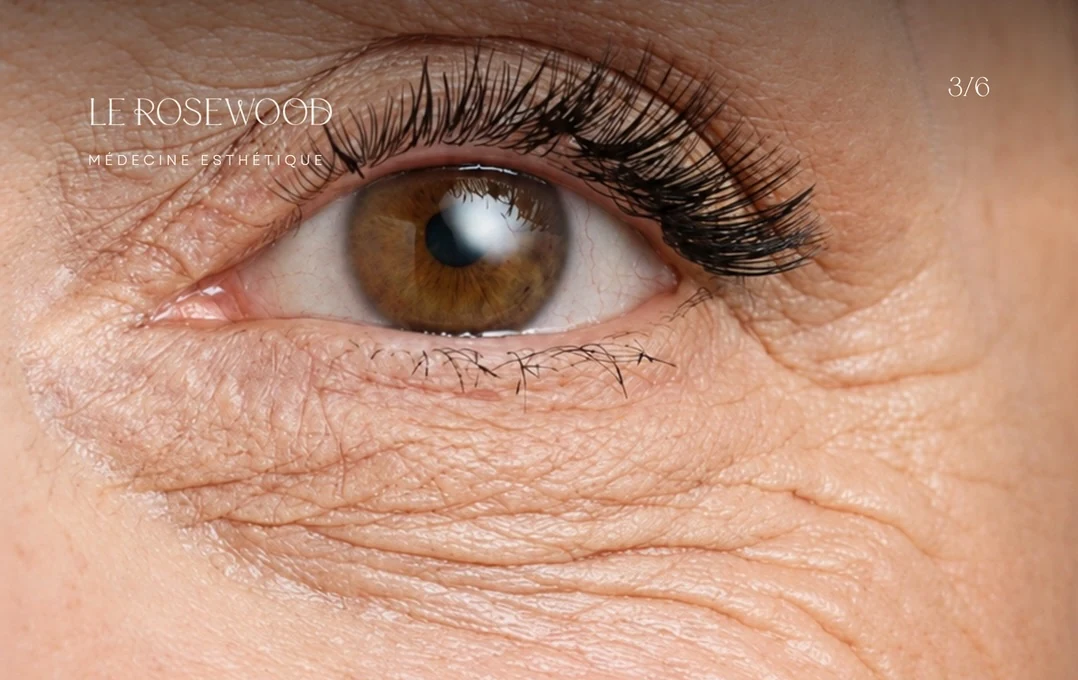
Sometimes, but not always, and this distinction matters. Some bags are partly a contour problem: the bag itself is modest, but the hollow beside it makes it look worse. In those cases, softening the hollow can make the whole area look smoother. Other bags are caused by fluid retention or by more prominent fat pads. Adding filler to a fluid-prone area can make swelling look worse, and more prominent bags are sometimes better assessed with a surgical opinion.
Hyaluronic acid fillers are medical devices regulated by health authorities, and their use in the under-eye area requires an experienced, licensed injector who can explain both benefits and risks before treatment (U.S. Food and Drug Administration, n.d.-a).
Where to start
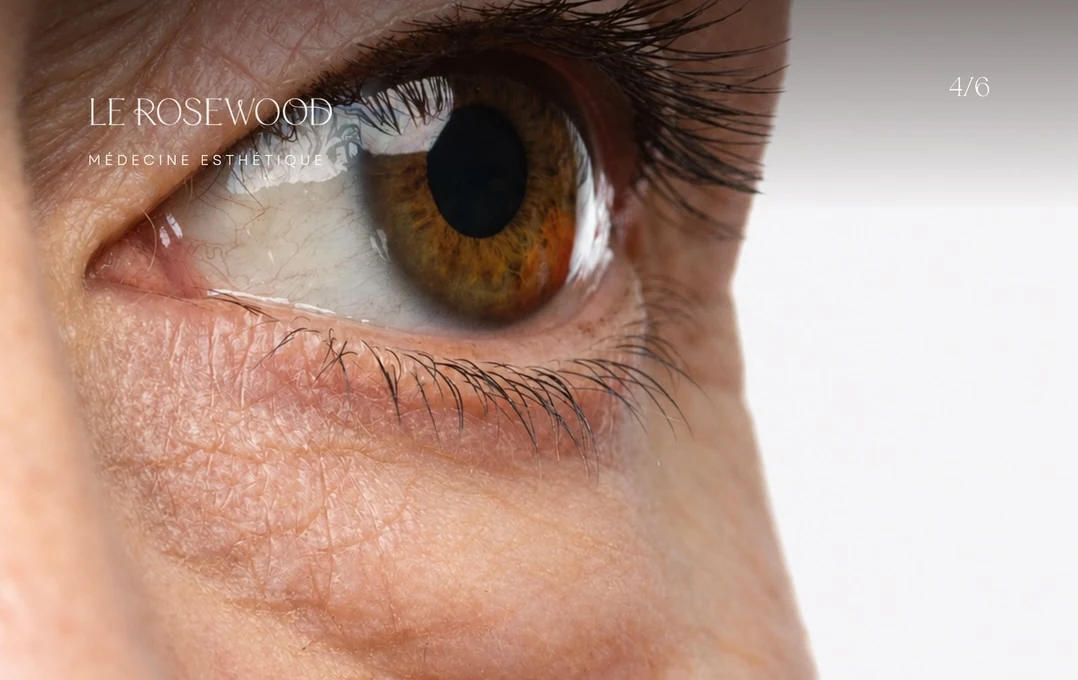
Under-eye concerns often overlap. Pigment, hollowing, skin quality, and puffiness can all be present at once, and the combination decides the plan. A consultation allows us to look closely, separate what is pigment from what is shadow, and choose the approach that fits your anatomy. Results vary from person to person, and no outcome can be promised in advance. If the under-eye area is on your mind, we would be glad to take a closer look together.
Related services
Read next
Collagen and Skin Firmness in Montréal: What to Know
A simple guide to collagen, gradual skin changes and the treatment options discussed at Le RoseWood in Montréal.
Skin Boosters in Montréal: Hydration and Skin Quality
What hyaluronic acid skin boosters can offer, their limits and how suitability is assessed during a Montréal consultation.
Masseter Slimming vs. Nefertiti Lift in Montréal
Two neuromodulator treatments with different goals. Explore jawline concerns, expectations and assessment in Montréal.
Consult in Montréal
A personalized consultation at Clinique Le RoseWood in Montréal.
108 Chemin de la Pointe N, Montréal, QC H3E 0E3
Book a consultationReferences
- Ghatge, A. S., & Ghatge, S. B. (2023). The effectiveness of injectable hyaluronic acid in the improvement of the facial skin quality: A systematic review. Clinical, Cosmetic and Investigational Dermatology, 16, 891-899. https://doi.org/10.2147/CCID.S404248
- Sollitto, C. F., Narduzzi, M., & Wolinsky, C. (2025). A systematic review of platelet-rich plasma versus platelet-rich fibrin for periorbital rejuvenation. Journal of Cosmetic Dermatology, 24(11), Article e70524. https://doi.org/10.1111/jocd.70524
- U.S. Food and Drug Administration. (n.d.-a). Dermal fillers (soft tissue fillers). https://www.fda.gov/medical-devices/aesthetic-cosmetic-devices/dermal-fillers-soft-tissue-fillers